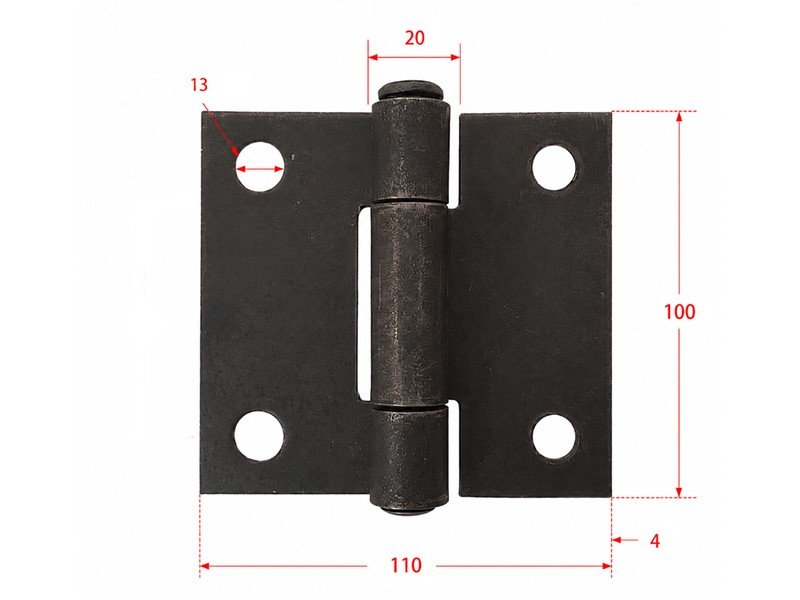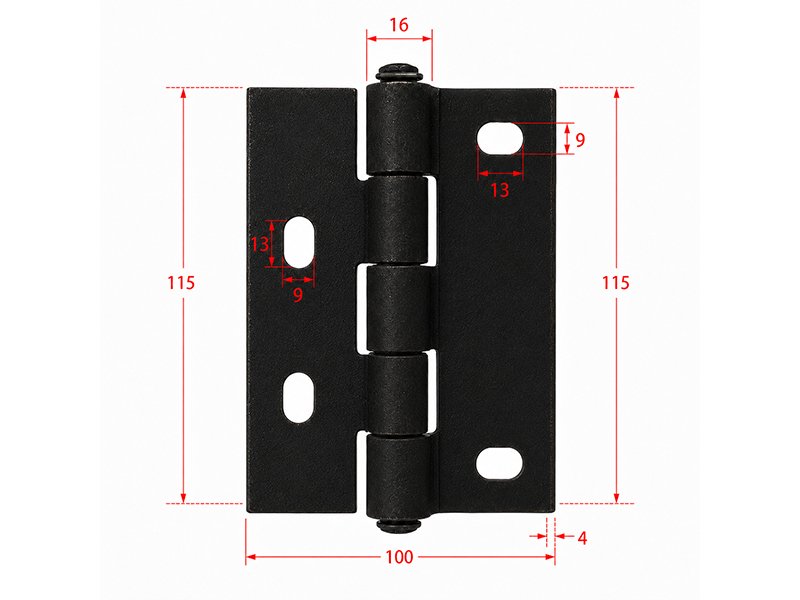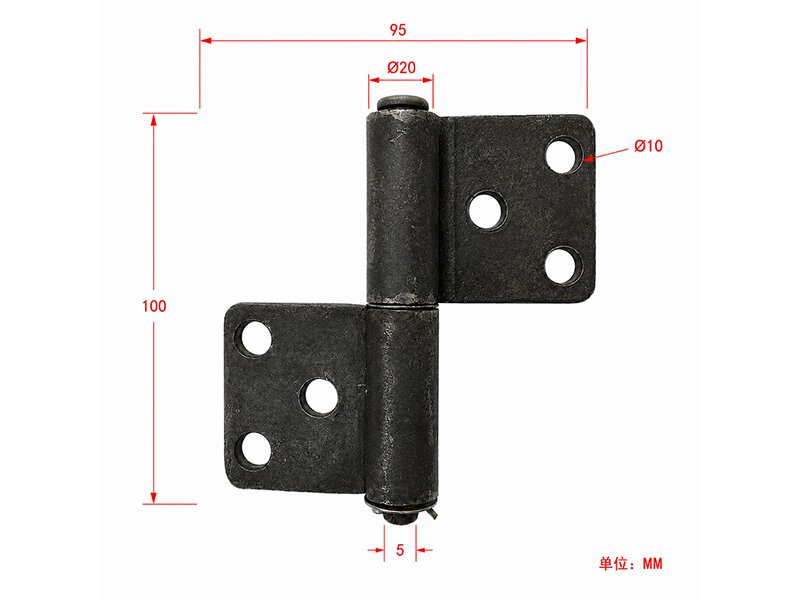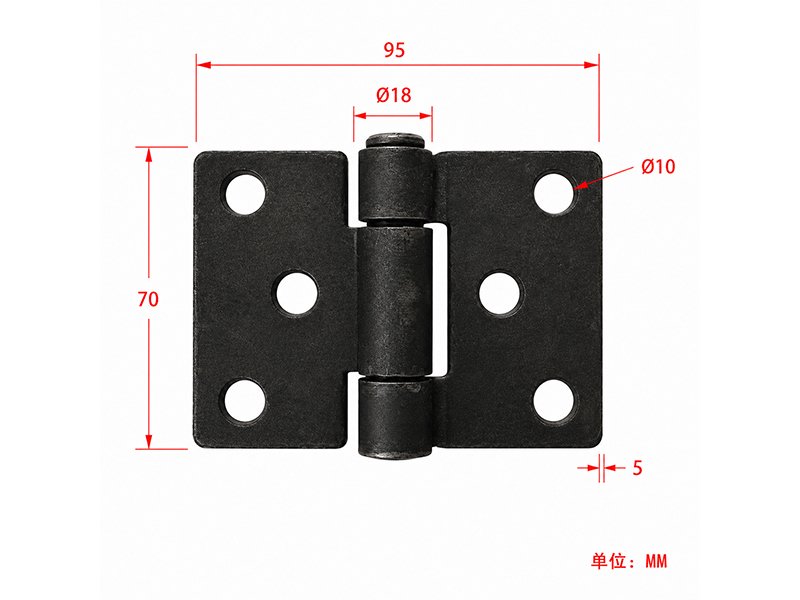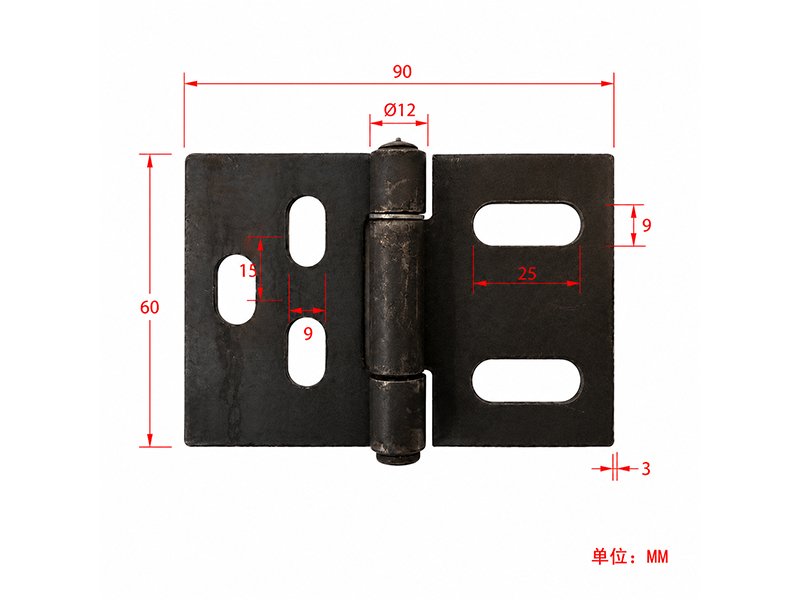
A sagging gate. A door that won’t close right. A hinge that just snaps. Most of these problems start with one small part: the top hinge.
A top hinge is the hinge near the top of a door or gate. It carries more of the weight and keeps the door lined up straight. Together with a bottom hinge, it forms the basic hinge door system — like two hands holding up opposite ends of a heavy box.
Let’s look at where top hinges go, how much weight they hold, and which type you need.
Where Is a Top Hinge Typically Installed?
Knowing where a top hinge goes matters just as much as picking the right one. Put it in the wrong spot, and even a good hinge will fail early.
The top hinge sits a few inches below the top edge of the door or gate, fixed to both the frame and the moving panel. This same spot is used on almost every swinging door or gate, big or small.
This rule shows up everywhere, not just on garden gates. You’ll find the same top hinge placement on factory gates, fence gates, animal pens, trailer doors, truck doors, equipment panels, electrical cabinet doors, machine guards, farm equipment covers, and storage container doors. In every case, the top hinge holds the front edge of the door against gravity, wind, or shaking, while the lower hinge (or hinges, on bigger doors) shares the rest of the weight.
What’s the Difference Between a Top Hinge and a Bottom Hinge?
People often think the top and bottom hinges on a gate are the same part. On heavy gates, they usually aren’t — they’re different sizes and do different jobs.
The top hinge is usually longer because it sits along the top bar of the gate. This gives it more grip to stop the gate from drooping. The bottom hinge is shorter because it only attaches to the side post. Many gates also flip the top hinge upside down so no one can simply lift the gate off.
Think about two friends carrying a heavy table. The one at the front holds more weight and needs a stronger grip. The top of door hinge works the same way — it’s always fighting gravity, which pulls down on the open end of a heavy gate. That’s why factories build the top hinge to match the full width of the top bar, while the bottom hinge only needs to grab the narrow side post. If you’re buying hinges for gates or industrial doors, always order the top and bottom hinge as a matched pair, not two identical parts. This keeps the gate swinging straight for years instead of wearing out fast.
How Much Load Does a Top Hinge Need to Support?
Buyers almost always ask one question first: how much weight can this hinge handle? Getting this number wrong is the easiest way to end up with a broken hinge.
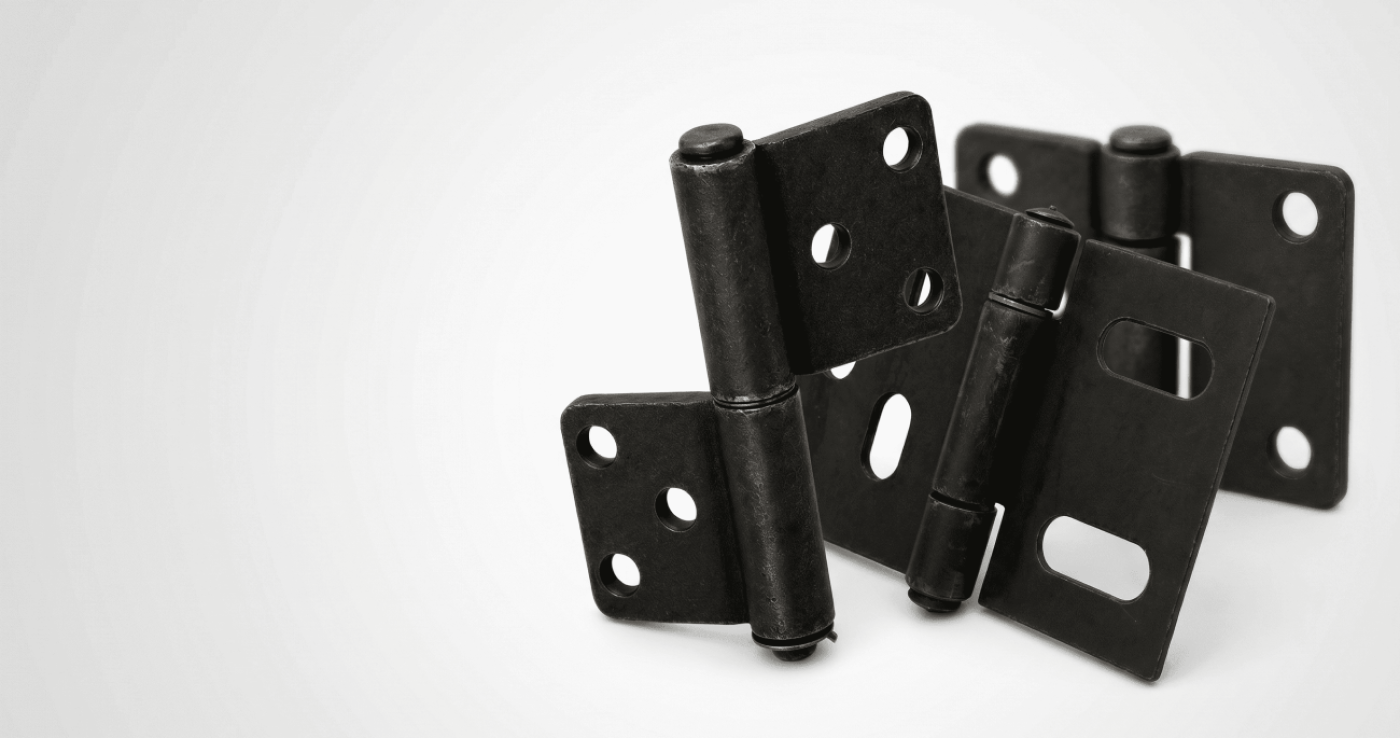
As a simple rule, the top hinge carries about half to 60% of a gate’s total weight, while the rest is shared by the lower hinges. Heavier gates often need three hinges instead of two. Strong welded industrial hinges can hold anywhere from a few hundred pounds to over 20,000 pounds.
Picture two gates: a small 300-pound steel gate that opens a few times a day, and a big 2,000-pound factory door that opens dozens of times a day. The factory door needs a much stronger top hinge, even though both are technically “gates.” That’s why good suppliers of steel hinges for doors always list three numbers together — how much weight the hinge holds, how wide the gate is, and how many hinges you need — instead of giving just one weight number on its own.
What Materials and Finishes Are Top Hinges Made From for Industrial Use?
The metal a hinge is made from decides how long it lasts and how much rust it can survive. This is one of the first things experienced buyers check.
Most industrial hinges use stainless steel for rust resistance, plain carbon steel for low cost and raw strength, or galvanized (zinc-coated) steel hinges for outdoor use. Common sizes for stainless steel door hinges are 3, 4, and 6 inches wide, which covers most standard doors.
A stainless steel door hinges 4 inch size is a good middle-ground choice for medium-weight doors, while small stainless steel hinges (1 to 2 inches) work well on lighter panels like electrical cabinet doors. Color matters too. Most steel door hinges come in plain black, silver, or chrome, but you can also find a gold hinge or golden hinge finish for fancy doors, and a bright orange door hinge for safety reasons. Factories often choose an orange door hinge — sometimes listed as “door hinge orange” in catalogs — on machine guards, so workers can spot moving parts at a glance. The table below shows how material and finish usually match up with different uses.
| Material / Finish | Rust Resistance | Cost vs. Plain Steel | Best Used For |
|---|---|---|---|
| Carbon steel (plain) | Low | Lowest | Indoor, dry, low-exposure use |
| Galvanized steel | Medium | Low–medium | Outdoor gates, farm equipment |
| Stainless steel (304) | High | Medium–high | Damp areas, food/chemical plants |
| Stainless steel (316) | Very high | High | Marine and heavy chemical exposure |
| Powder-coated (black/zinc) | Medium | Low–medium | General industrial use, branding |
| Gold / golden finish | Medium | Medium | Decorative interior and entrance doors |
| Orange (safety coat) | Medium | Low–medium | Machine guards, high-visibility panels |
What Are the Different Types of Hinges?
Before picking a top hinge, it helps to see the bigger picture. “Door hinge” is actually a big family with several different designs inside it.
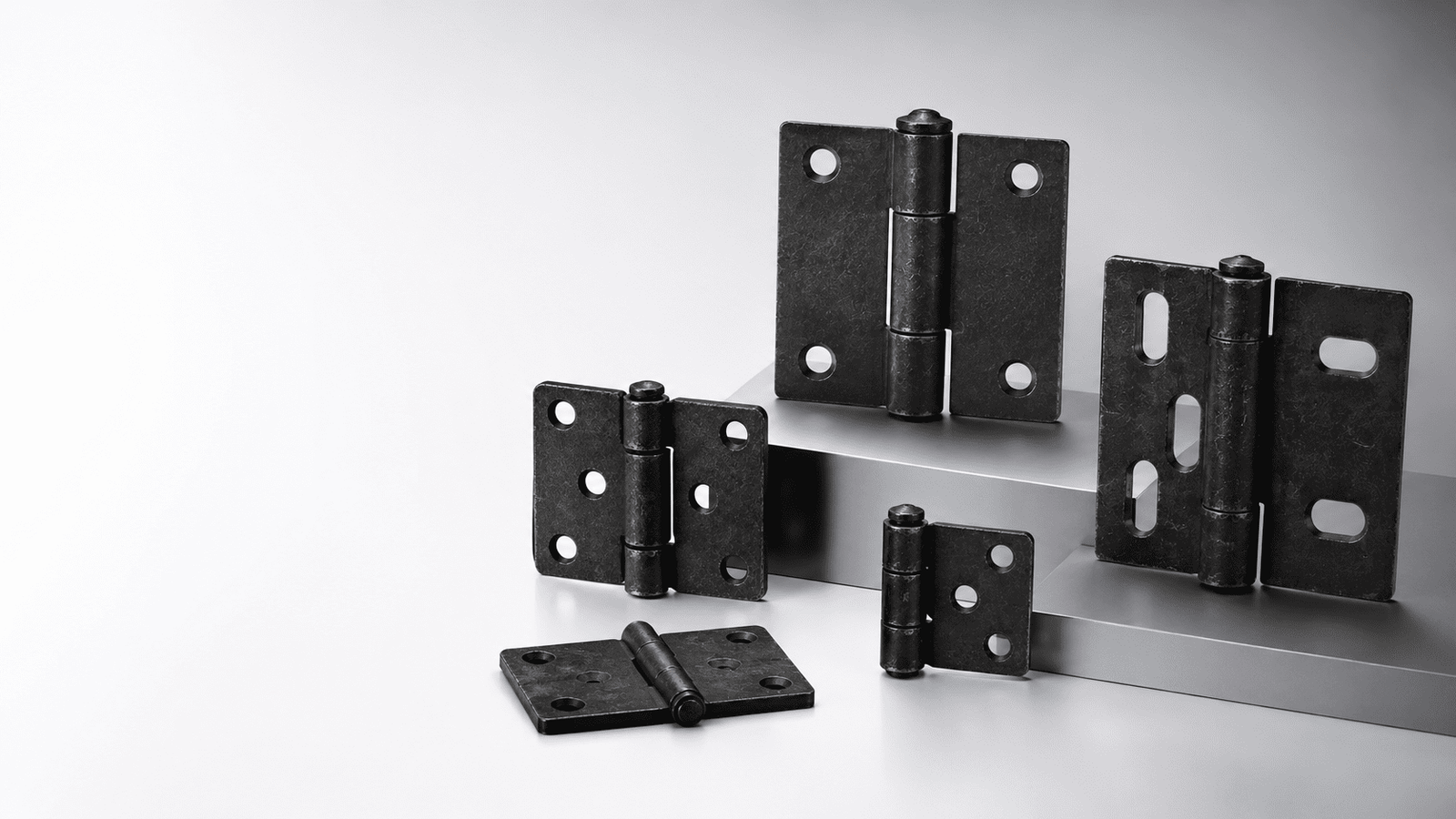
When people talk about door hinges types, they usually mean a few main groups: simple pin hinges (the classic kind on most doors), long continuous hinges that run the full length of a panel, pivot hinges mounted top and bottom instead of on the side, spring hinges that close on their own, and tough hinges like weld-on and strap hinges built for gates.
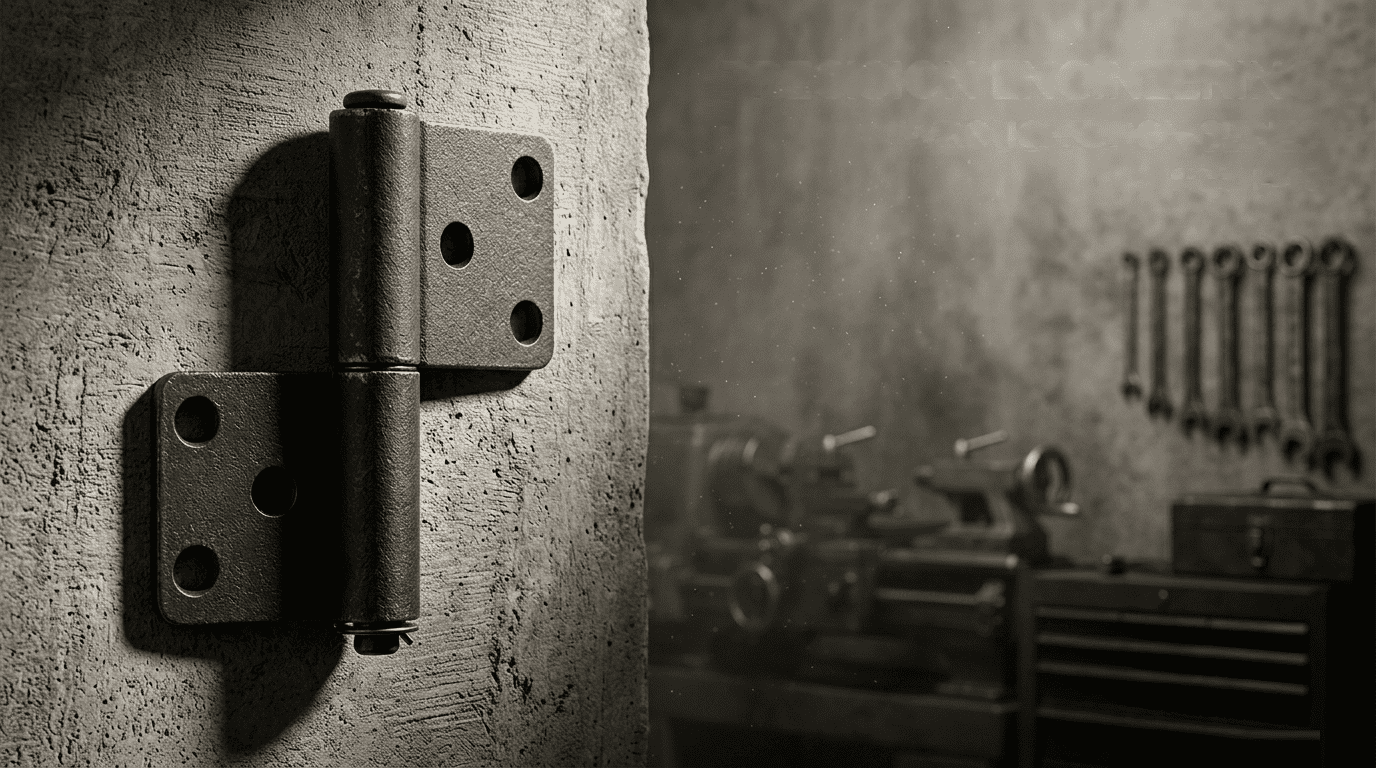
Each type solves a different problem. A simple pin hinge looks neat and tidy. A continuous hinge spreads the weight evenly so a long door doesn’t sag in the middle. A pivot hinge lets a heavy door swing without any hardware showing on the side. A weld-on or strap hinge gives up the neat look in exchange for raw strength on gates and industrial doors. Many buyers actually mix two types — for example, a strong weld-on top hinge with a smoother continuous hinge lower down — to get both strength and smooth movement.
What Are the Three Types of Hinges?
When people search for “three types of hinges,” they’re usually asking about how a hinge is mounted, not about every single design that exists.
The three basic categories are:
(1) hidden hinges that sit inside the door and frame for a clean look;
(2) surface hinges screwed onto the face of the door for easy installation;
(3) pivot hinges fixed at the top and bottom of the door instead of the side.
This three-group split works fine for a home or office door. But it doesn’t say much about strength, which is what really matters for gates and industrial doors. For that kind of buying decision, the five-type list below is far more useful, since it sorts hinges by how they’re built and how much weight they can carry.
What Are the Five Types of Hinges?
A five-type list gives factory buyers and OEM manufacturers the level of detail they actually need when comparing steel hinges for a real order.
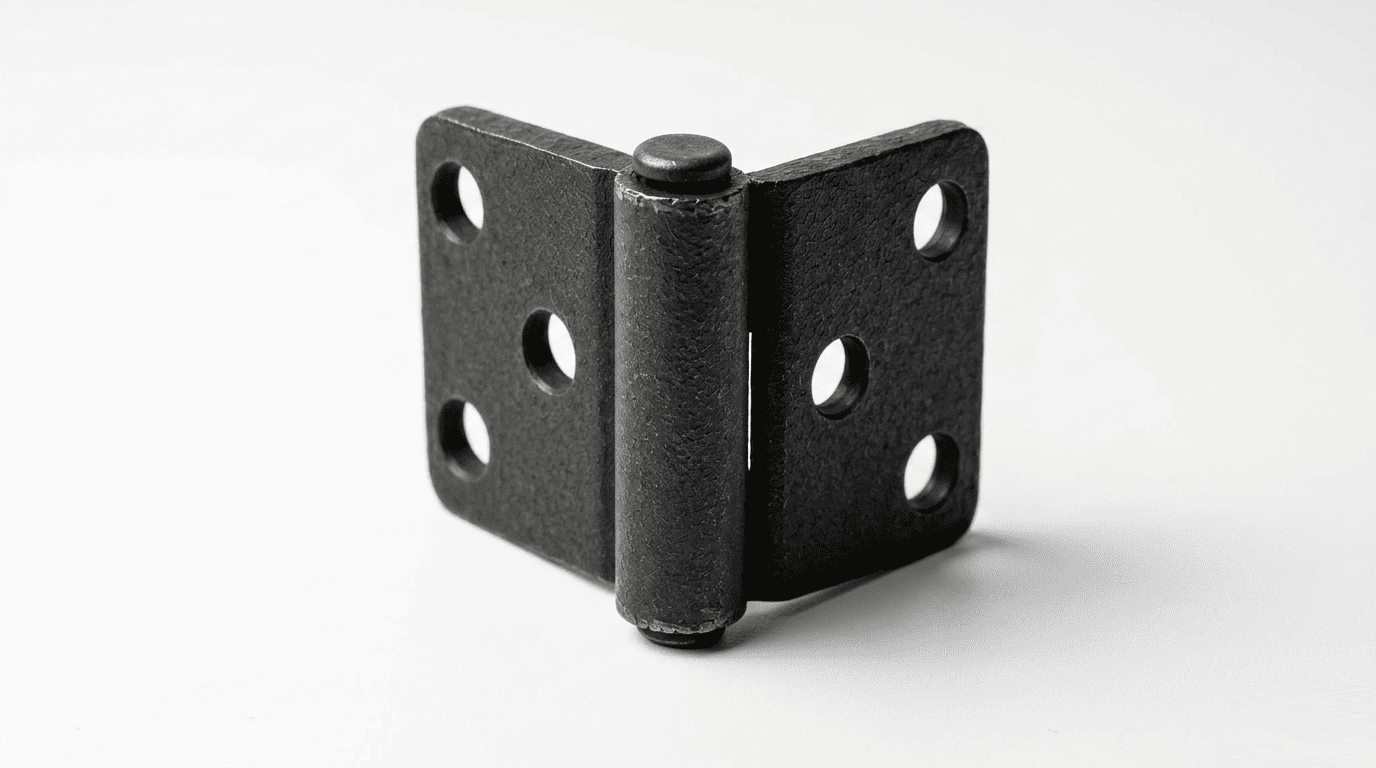
The five most important types are: butt hinges (basic, everyday use), strap hinges (gates and barn-style doors), weld-on or bolt-on hinges (heavy factory gates and trailer doors), continuous hinges (long doors and equipment panels), and ball-bearing hinges (doors that open and close often and need to stay smooth and quiet).
These five types cover almost every real order Josie’s team sees from equipment makers, farm machinery builders, and cabinet manufacturers. The rare order that doesn’t fit usually needs something built for one very specific job — like a hidden hinge for a fancy flush door, or a special adjustable hinge for a farm gate.
What Are the Heavy-Duty Door Hinge Types?
On trailers, electrical cabinets, and factory gates, “heavy-duty” isn’t just a marketing word — it’s a real number that tells you how much weight the hinge can take.
The main heavy-duty types are weld-on hinges (welded straight onto a steel frame for maximum strength), bolt-on strap hinges, ball-bearing hinges built for constant use, and continuous hinges sized for wide trailer or container doors. Steel door hinges and stainless steel versions are the top choices because of their strength and rust resistance.
Since the top hinge always carries more weight in a matched pair, factories often make it from a thicker piece of metal than the bottom hinge, even when both look similar at first glance. This is worth double-checking with your door hinge supplier before placing a large order, since a thinner top hinge will simply wear out first.
What Are the Best Hinges for Internal Doors?
Doors inside your house or office don’t face rain, wind, or heavy machinery, so choosing a hinge for them is a much simpler job than choosing one for a gate.
For most interior door hinges, a standard 3- or 4-inch steel or stainless steel hinge works fine. Looks matter more than strength here — popular finishes include brushed silver, black, or a warm gold hinge tone. Outdoor door hinges, sometimes searched as “door hinges outdoor,” always need rust-proof steel, no matter how light the door is.
A light indoor door usually only needs two hinges. Heavier doors — like a tall closet door or a double door — often get a third hinge just for extra steadiness. Some hardware stores even sell door window hinges side by side, since small interior hinges and window hinges are often made on the same production line with similar parts.
Are Window Hinges Different from Door Hinges?
Casement window hinges work the same basic way as door hinges — a pin and a hinge knuckle — but they’re built for a much lighter job, so they’re rarely sold from the same product line.
A casement window hinge (or casement hinge) holds up a swinging window pane, not a whole door, so it’s much smaller and lighter than a door hinge. Window hinge parts include the arm, the friction stay (which holds the window open at any angle), and the pivot block. You can find both steel window hinges and stainless steel versions.
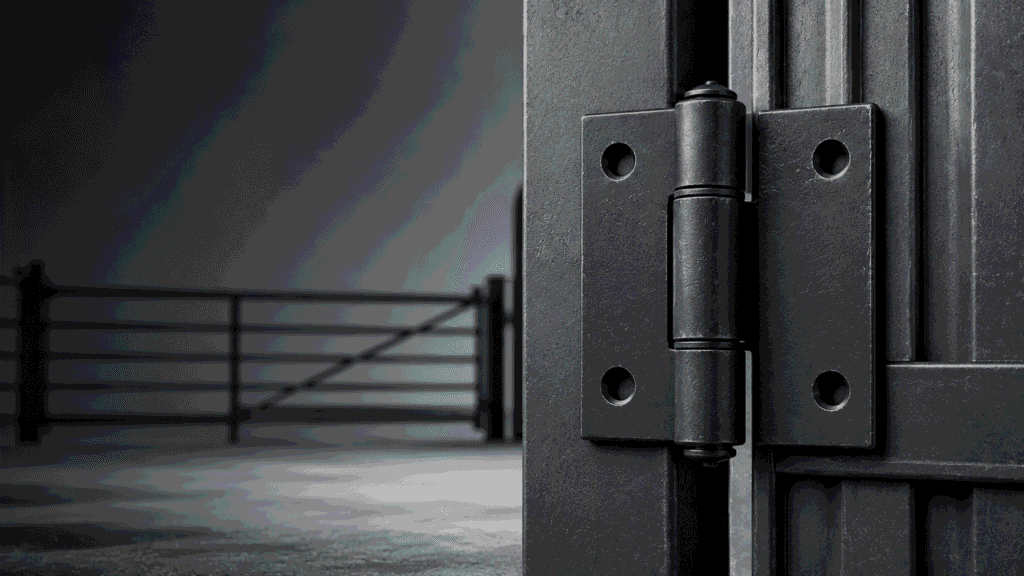
Among casement window hinge types, the two most common are friction-stay hinges, which let you stop the window open at any angle, and simple butt-style window hinges for wooden windows, which work like a tiny door hinge along the edge of the window frame. Window hinges types also vary by which way they open — top-hung, side-hung, or bottom-hung. That’s why a window hinge supplier will usually ask how heavy the window is and which way it opens before suggesting a part, just like a door hinge supplier asks about door weight and how often it’s used.
How Do You Choose the Right Top Hinge for a Heavy-Duty Gate or Door?
Picking the wrong top hinge is almost never about a bad hinge — it’s usually about a hinge that doesn’t match the real job it’s being used for.
Start with four simple facts: how heavy the door is, how wide it is, how many times a day it opens, and where it will be used (indoors, outdoors, or somewhere wet or dirty). Match these to the hinge’s weight rating, then pick a material — plain steel, galvanized steel, or stainless steel — that fits the location.
This is also the best time to ask for small upgrades, since they’re cheap now and expensive later. A slightly bigger top hinge than the bottom one, a custom bolt pattern to match your existing frame, or a special color for your brand — all of these are easy to add when you first order the part, but hard and costly to fix once the gate is already built.
What Should B2B Buyers Check When Sourcing Top Hinges from a Manufacturer?
Most of the real risk in buying hinges isn’t the hinge design itself — it’s whether your supplier checks quality carefully and ships on time.
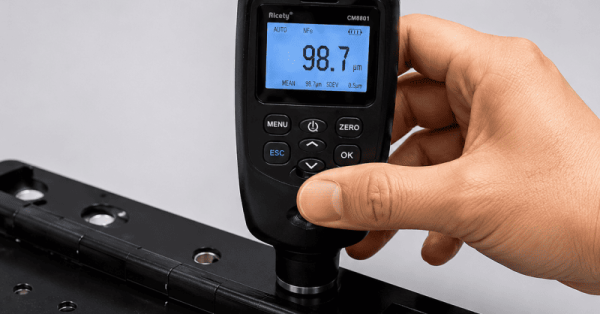
Before placing a big order, ask for inspection reports, certifications (ISO 9001 at the very least), how long samples take, how long full production takes, and which payment methods are accepted (bank transfer, letter of credit, or trade assurance). Also ask for real load-test results on the exact hinge you’re buying, not just a general catalog number.
This step matters most when comparing a china hinge factory to a local supplier, or a china door hinge maker to one closer to home. The price difference is often big, but it only stays a good deal if quality checks and shipping dates are confirmed ahead of time. A late shipment that misses your busy season, or a batch of hinges that fails a strength test, can wipe out any money you saved. If you’re comparing steel hinges price or stainless steel hinges price across a few companies, treat the numbers below as a starting point, not a final quote.
| Hinge Type & Size | Material | Rough Bulk Price (USD)* |
|---|---|---|
| 3″ interior door hinge | Carbon steel | $0.40 – $1.20 |
| Stainless steel door hinges 4 inch | 304 الفولاذ المقاوم للصدأ | $1.20 – $3.50 |
| Small stainless steel hinges (1–2″) | 201/304 stainless | $0.30 – $1.00 |
| Casement window hinge | Steel / stainless | $0.80 – $2.50 |
| Heavy-duty weld-on top hinge | Carbon steel / stainless | $8 – $45+ |
| Custom OEM top hinge | Per specification | Quote-based |
*These are rough ranges only — actual hinge price and door hinge price depend on volume, finish, certification needs, and current metal costs. Always ask for a real quote.
When you’re ready to buy hinge hardware in bulk — whether you spot a hinge for sale or a door hinge for sale on a B2B platform, or you decide to buy door hinge parts straight from a china door hinge factory — get all of the details above in writing before your first order, not after.
Conclusion
A top hinge does more work than it looks like. Match the weight, pick the right material, and find a supplier you trust — the rest takes care of itself.